From Crypto-Native to Crypto-Enabled
I’m not one to make big annual predictions, but one thing that seems likely to me is that 2024 will mark the emergence of mainstream apps powered by ...

Bitcoin as Battery
One of my favorite things about crypto is that, every so often, your conception of what it is changes.Bitcoin at first was "weird internet money...

The Internet's Next Business Model: A Conversation with Cloudflare's Matthew Prince
I just released a new episode of The Slow Hunch with Matthew Prince, CEO and co-founder of Cloudflare. Since we invested in their Series C back in 2013, I've watched Matthew and his team build one of the most critical pieces of internet infrastructure—protecting and accelerating vast portions of global web traffic. Our conversation traces Matthew's journey from his early "slow hunch" that the internet was fundamentally broken and needed fixing. We start with his law school days in 2000, when ...

I am in Hong Kong this week for Blockstack's Decentralizing the World Tour (more on that in a forthcoming post). I arrived yesterday and have been exploring the city a bit.
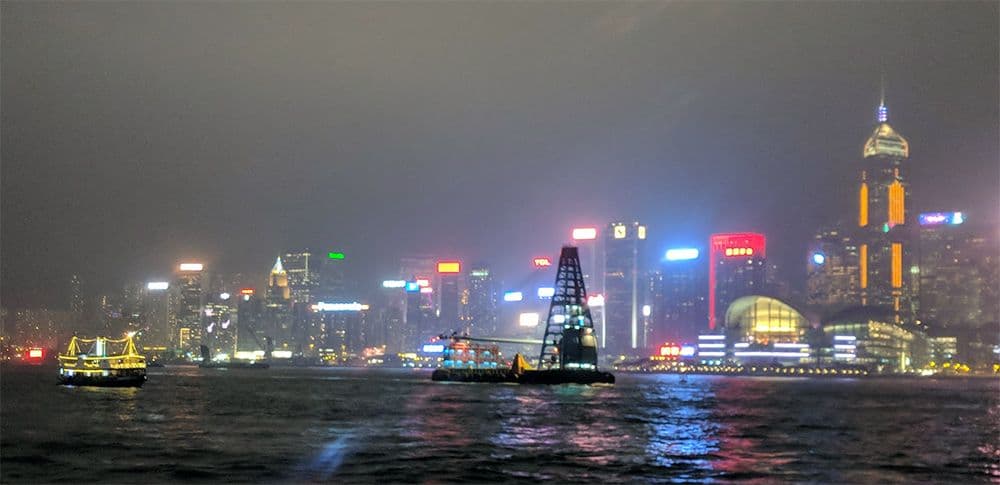
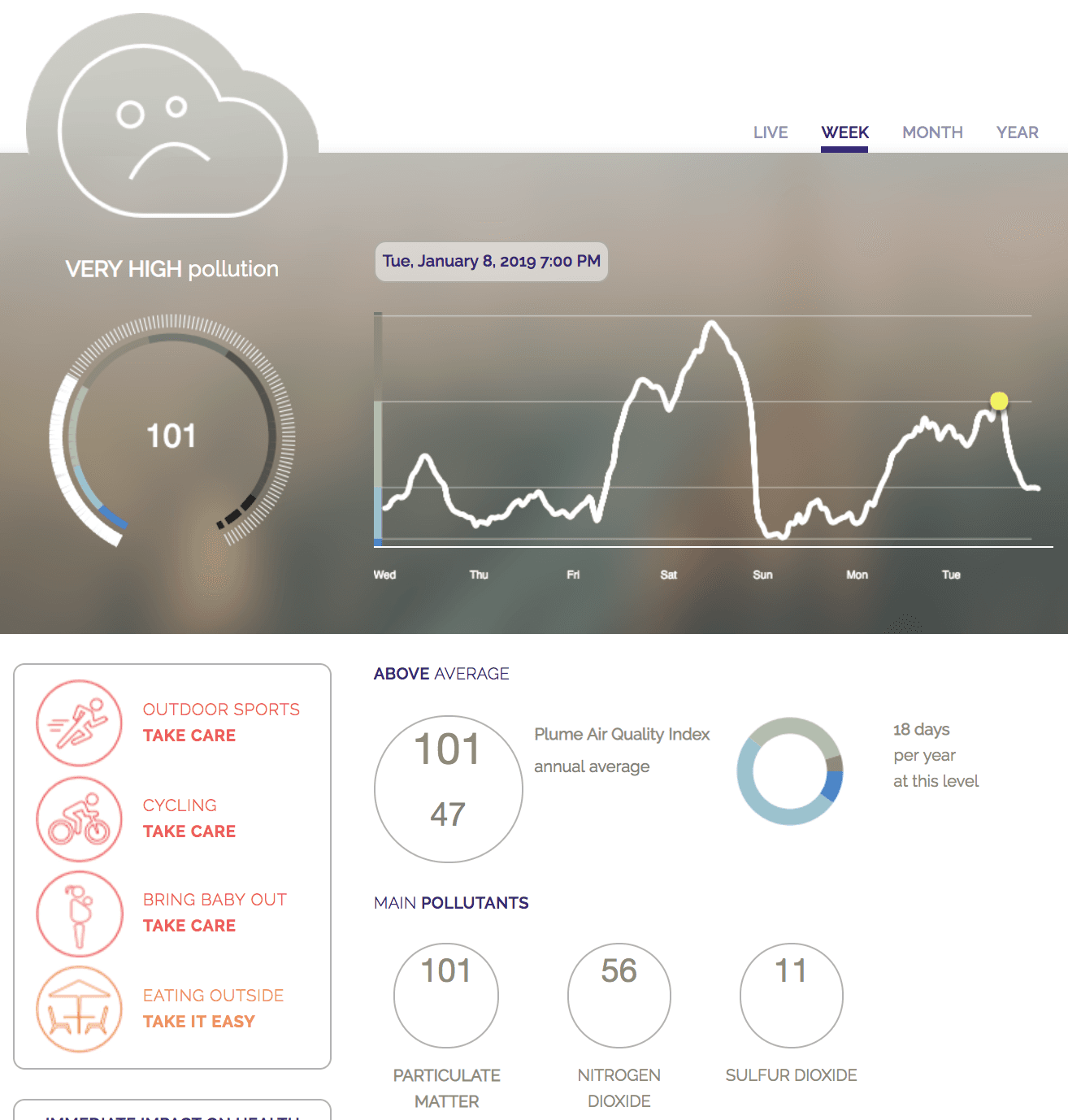
The first observation is how awful the air quality is. Holy cow. This report from Plume Labs (snapshot from the time when I took this above photo of the skyline) tells the story:

While the air quality has made it a bit difficult to get around (no views, but more importantly, you just start to feel sick after a while), something else here has made it tremendously easy to get around: the Octopus Card.
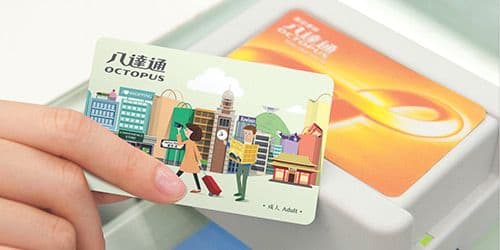
The Octopus Card is a reusable, contactless smart card used for payments throughout Hong Kong, which most importantly works for nearly all modes of transportation. Yesterday, I traveled by high-speed train, subway, streetcar, bus, tram and ferry, and used my Octopus Card to pay every time (it also works in some, but not all, taxis).

It is hard to overstate how much of a convenience this is, especially to a visitor to a foreign city. I traveled by seven different modes of public transportation yesterday, and had zero cognitive overhead trying to figure out tickets, rates, etc. It is really liberating and makes exploring a new city so easy and so much fun.
Similar systems exist in other cities (Oyster Card in London, UPass in Seoul). It really makes the city so much more accessible, both for residents and for tourists.
Experiencing infrastructure like this makes me realize how broken and unusable most of the US equivalents are. Imagine if you could pay for a train, subway, bike, and ferry in NYC using one system? It is a shame we can't make investments like that work (by and large) -- the closest is perhaps EZPass, which in the American tradition works for cars.

Subscribe to The Slow Hunch by Nick Grossman
Investing @ USV. Student of cities and the internet.

I am in Hong Kong this week for Blockstack's Decentralizing the World Tour (more on that in a forthcoming post). I arrived yesterday and have been exploring the city a bit.
The first observation is how awful the air quality is. Holy cow. This report from Plume Labs (snapshot from the time when I took this above photo of the skyline) tells the story:

While the air quality has made it a bit difficult to get around (no views, but more importantly, you just start to feel sick after a while), something else here has made it tremendously easy to get around: the Octopus Card.
The Octopus Card is a reusable, contactless smart card used for payments throughout Hong Kong, which most importantly works for nearly all modes of transportation. Yesterday, I traveled by high-speed train, subway, streetcar, bus, tram and ferry, and used my Octopus Card to pay every time (it also works in some, but not all, taxis).

It is hard to overstate how much of a convenience this is, especially to a visitor to a foreign city. I traveled by seven different modes of public transportation yesterday, and had zero cognitive overhead trying to figure out tickets, rates, etc. It is really liberating and makes exploring a new city so easy and so much fun.
Similar systems exist in other cities (Oyster Card in London, UPass in Seoul). It really makes the city so much more accessible, both for residents and for tourists.
Experiencing infrastructure like this makes me realize how broken and unusable most of the US equivalents are. Imagine if you could pay for a train, subway, bike, and ferry in NYC using one system? It is a shame we can't make investments like that work (by and large) -- the closest is perhaps EZPass, which in the American tradition works for cars.

Subscribe to The Slow Hunch by Nick Grossman
Investing @ USV. Student of cities and the internet.
From Crypto-Native to Crypto-Enabled
I’m not one to make big annual predictions, but one thing that seems likely to me is that 2024 will mark the emergence of mainstream apps powered by ...

Bitcoin as Battery
One of my favorite things about crypto is that, every so often, your conception of what it is changes.Bitcoin at first was "weird internet money...

The Internet's Next Business Model: A Conversation with Cloudflare's Matthew Prince
I just released a new episode of The Slow Hunch with Matthew Prince, CEO and co-founder of Cloudflare. Since we invested in their Series C back in 2013, I've watched Matthew and his team build one of the most critical pieces of internet infrastructure—protecting and accelerating vast portions of global web traffic. Our conversation traces Matthew's journey from his early "slow hunch" that the internet was fundamentally broken and needed fixing. We start with his law school days in 2000, when ...
Share Dialog
Share Dialog
>1.2K subscribers
>1.2K subscribers
No activity yet